
Did you know that nearly 70% of fashion accessories lose their shine in just three months in India’s humid climate? This happens because of oxidation, making your favorite pieces look dull and worn out too soon.
Anti-tarnish jewellery is a great solution for keeping your collection looking new. This guide will tell you what these treatments are and how they protect your metals from damage.
You will learn the science behind these coatings. You will also find out how to make your accessories last longer. We will share tips on storage and cleaning, giving you the essential knowledge to keep your style shining.
Whether you are buying new pieces or protecting your current ones, knowing about anti-tarnish jewellery is crucial. It helps keep your accessories looking new every day.
Key Takeaways
- Understand the chemical process that causes metal oxidation in humid environments.
- Learn how protective layers act as a barrier against moisture and air.
- Discover the best storage practices to prevent premature wear and tear.
- Master simple cleaning routines that preserve the finish of your accessories.
- Identify which daily habits contribute most to the longevity of your collection.
What Anti-Tarnish Jewellery Means and Why It Matters
Buying good accessories means knowing about jewelry anti tarnish. Many think it means their jewelry will always look new. But, it’s not that simple. Knowing about these terms helps you pick better pieces that won’t lose their shine fast.
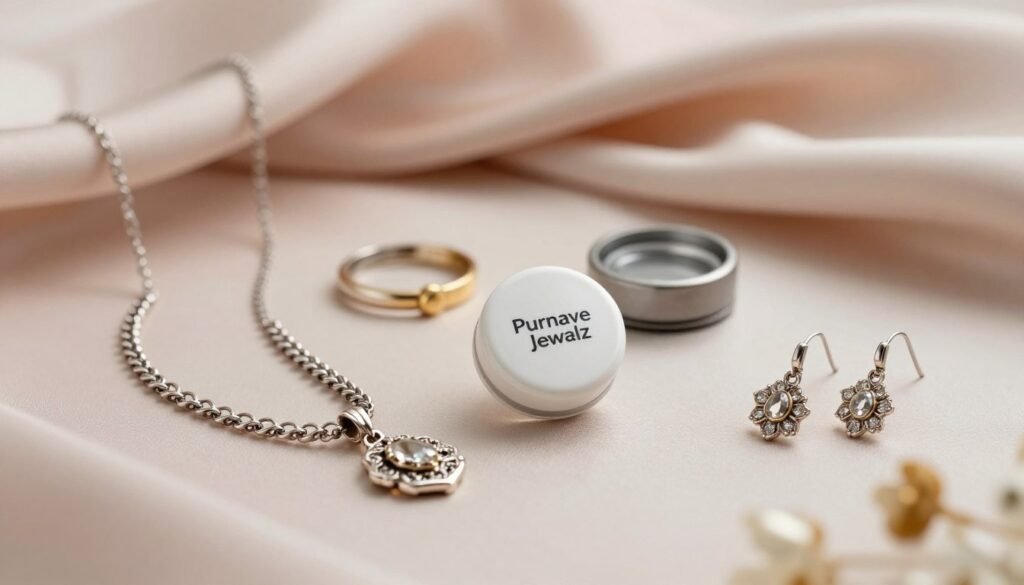
How tarnish changes the look of jewellery
Jewellery tarnish happens when metals meet air and sulfur. It makes a layer of corrosion that dulls your jewelry. You’ll see it as darkening, loss of shine, or yellow or black spots.
Which metals and finishes tarnish most easily
Not all metals react the same way. Some are more likely to tarnish. This makes tarnish prevention key for your jewelry. Here are the most prone metals:
- Sterling Silver: Reacts a lot to air’s sulfur.
- Copper and Brass: Oxidize fast when wet.
- Plated Jewellery: Gold or rhodium layers can wear off, showing the base metal.
What “anti-tarnish” does and does not promise
“Anti-tarnish” is not a magic solution. It’s about special coatings or treatments to slow down tarnish. These are very good, but they don’t stop tarnish forever. Think of them as a way to slow down tarnish, not stop it.
Why India’s climate can speed up tarnishing
If you’re in India, you need to take extra care of your jewelry. Our climate is tough on metals. High humidity, heat, and pollution make metals tarnish faster. Sweat and oils from your skin can also damage finishes quickly. So, taking good care of your jewelry is very important.
How Anti-Tarnish Jewellery Works
The secret to keeping jewelry bright is hidden. Tarnish resistant jewelry has special coatings. These coatings fight off damage from the environment.
Protective coatings that slow chemical reactions
An anti tarnish coating for jewelry is like a tiny shield. It stops oxygen, moisture, and sulfur from getting to the metal. Without it, these things can make the metal dull or change color.
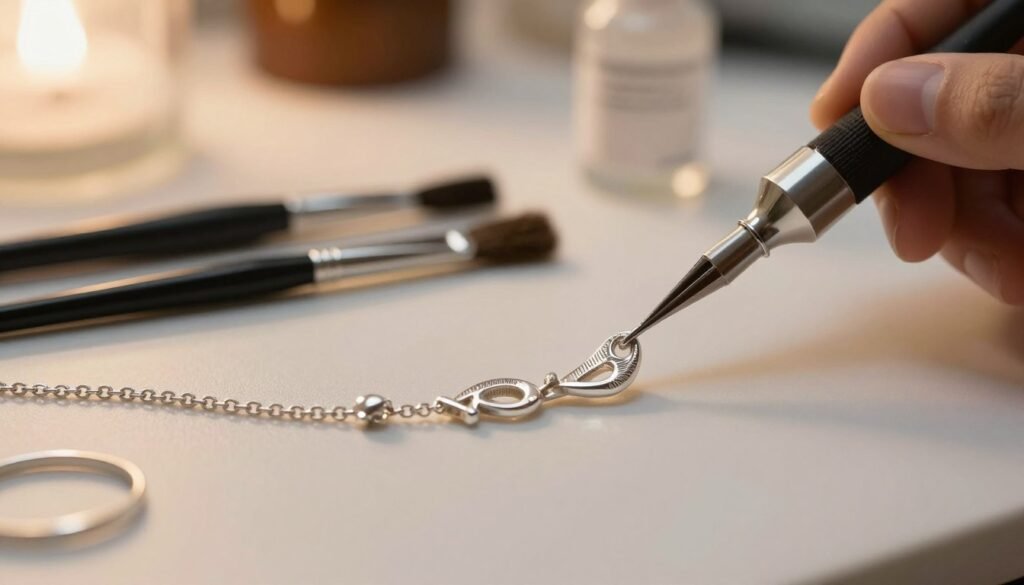
Rhodium plating, gold plating, and tarnish-resistant finishes
Some jewelry gets a rhodium plating for a shiny look. Gold plating adds a luxurious feel and protects against wear. These coatings last a long time if made well.
| Finish Type | Primary Benefit | Durability Level |
|---|---|---|
| Rhodium Plating | High shine and scratch resistance | Moderate to High |
| Gold Plating | Rich color and oxidation barrier | Moderate |
| Clear Lacquer | Budget-friendly protection | Low |
How alloy composition affects durability
The metal inside matters a lot. Metals with lots of copper tarnish easily. But, the right mix keeps jewelry looking good for a long time.
Anti-tarnish treatments versus permanent metal properties
It’s key to know the difference between coatings and the metal itself. Coatings can be reapplied, but the metal’s resistance is forever. Always check if your jewelry is solid or just treated.
Signs that a coating is wearing away
When the metal starts to look cloudy or has spots, the coating is fading. Regular inspection under bright light helps catch this early.
When replating or professional care may be necessary
If your jewelry loses its shine, it’s time for a pro. A jeweler can reapply rhodium plating or gold plating. Trying to clean it at home can damage the remaining coating.
How to Choose Tarnish Resistant Jewelry That Fits Your Lifestyle
Choosing the right accessories is like finding a treasure. It’s about mixing style with lasting quality. When you buy tarnish resistant jewelry, you’re getting a product that shines for a long time. A good jewelry buying guide tells you to look beyond the surface. This ensures your jewelry lasts forever.
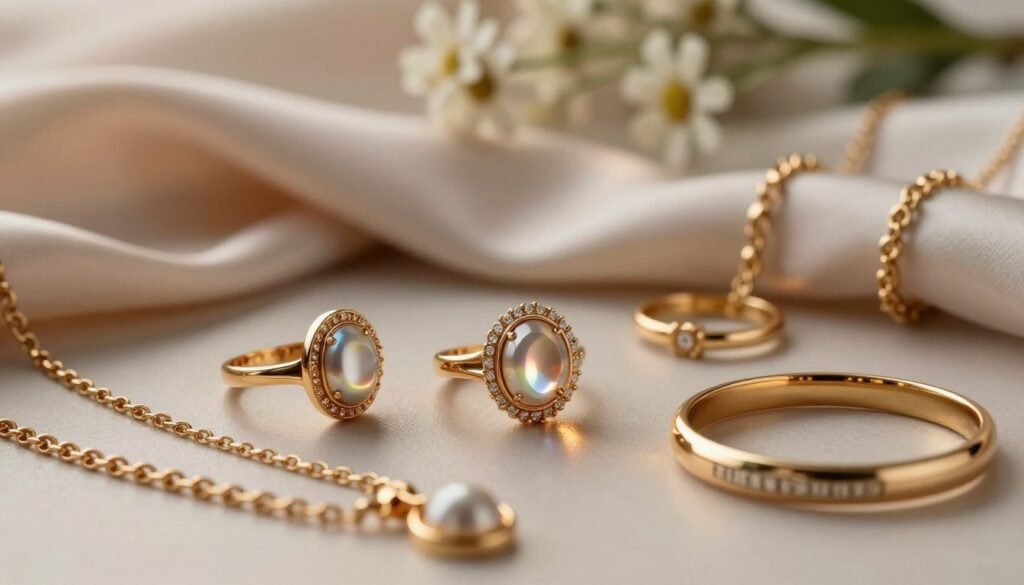
Check the base metal, plating, and coating details
Always check the core of your jewelry. Good pieces use strong materials like sterling silver or stainless steel. Look for a protective e-coating to keep it from getting tarnished.
Choose finishes according to daily wear and occasional use
For daily wear, choose thicker plating or solid metals. For occasional wear, lighter finishes are okay. This way, your jewelry stays beautiful longer.
Evaluate clasps, chains, stones, and sensitive-skin considerations
Look at the clasps and chain strength before buying. If your skin is sensitive, choose hypoallergenic jewelry that’s nickel-free. Make sure stones are set well to last longer.
Questions to ask before buying anti tarnish jewellery in India
When buying anti tarnish jewellery in India, think about the local weather. Ask if the jewelry stays bright in the heat and humidity.
Whether the piece is suitable for monsoon humidity
Monsoon weather can make metal tarnish faster. Check if the jewelry is good for humid weather. This question can help you avoid dull jewelry after a season.
Whether the seller explains care and warranty terms
A good seller will tell you how to care for your jewelry. Look for brands with a plating warranty. This shows they trust their quality. Stay away from sellers who don’t give clear care instructions.
| Metal Type | Durability | Best For |
|---|---|---|
| Stainless Steel | High | Daily Wear |
| Sterling Silver | Medium | Occasional Wear |
| Gold Plated Brass | Low | Special Events |
How to Prepare Your Jewellery for Long-Lasting Wear
Before you put on your favorite necklace, you’re already helping it stay shiny. Start a anti tarnish jewelry care habit to keep your collection bright. Just a few extra moments in the morning can prevent damage.
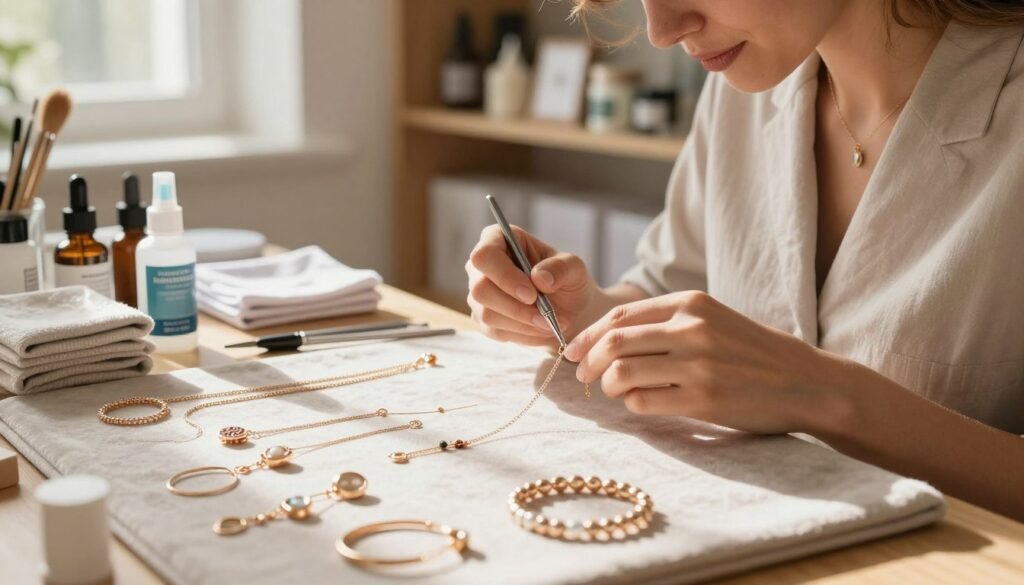
Step 1: Read the care instructions before wearing a new piece
Every jewellery piece has its own care needs. Check the manufacturer’s guidelines to see if it needs special care. Ignoring these instructions can make your jewellery dull or damaged.
Step 2: Inspect the surface, plating, and settings
Start with a quick look at your jewellery. Check the plating for wear or scratches. Make sure all stones are secure to avoid losing them.
Step 3: Apply cosmetics and fragrances before putting on jewellery
Beauty products can harm your jewellery’s finish. Apply these substances before wearing your rings or chains to avoid tarnishing.
“True elegance is found in the details of how you care for your most cherished possessions.”
Step 4: Create a simple wear-and-care routine
Make caring for your jewellery a part of your morning. This keeps your accessories safe without feeling like a chore. It helps protect plated jewelry from daily damage.
Keep jewellery away from perfume, lotion, makeup, and hair products
These items can harm your jewellery’s finish. Store your jewellery in a safe, dry place until you’re done with your beauty routine. This keeps it safe from harmful substances.
Allow skincare products to dry fully before wearing jewellery
Even after applying lotions, your skin might still be damp. Wait at least five to ten minutes for your skin to absorb everything. This prevents residue from damaging your jewellery.
How to Prevent Jewellery Tarnishing During Everyday Wear
Learning everyday jewelry care helps keep your jewelry looking new. Small changes in your daily life can stop jewelry from tarnishing. This keeps your favorite pieces shiny.
Step 5: Remove jewellery before bathing, swimming, and exercising
Water can harm plated metals. Taking a shower or going to the pool can cause damage. Always take off your jewelry before these activities to keep it dry.
Step 6: Protect pieces from sweat, humidity, and household chemicals
To protect jewelry from tarnish, watch what touches it. Sweat and household cleaners can harm the metal. Keep your jewelry away from these things.
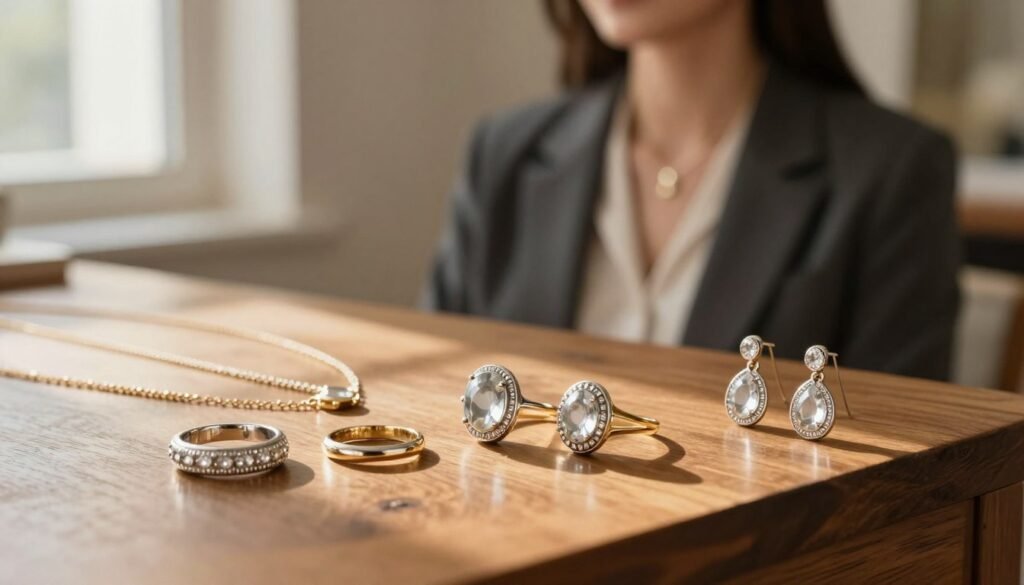
Step 7: Handle jewellery by its edges instead of rubbing the surface
Touching jewelry too much can damage it. Oils from your skin can make it dull. Always handle your pieces by the edges, clasps, or bands to avoid damage.
Step 8: Separate delicate pieces during travel and daily use
Scratches and wear can happen when jewelry touches other pieces. Use soft pouches or compartments to keep them apart. This protects them from damage.
Extra precautions for Indian summers and monsoon weather
In India, the heat and humidity are tough on jewelry. During monsoon jewelry care, dry your jewelry right away if it gets wet. This helps prevent tarnish.
When to remove jewellery before applying hand sanitizer
Hand sanitizer can harm jewelry. The alcohol and chemicals can damage the plating and gemstones. Here’s how to protect your jewelry:
- Remove rings before applying sanitizer to your hands.
- Wait until your skin is completely dry before putting your jewelry back on.
- If you accidentally get sanitizer on your piece, rinse it with clean water and dry it immediately with a soft cloth.
How to Clean Anti-Tarnish Jewelry Without Damaging It
Keeping your accessories shiny needs care. Choose jewelry anti tarnish solutions that clean gently. This way, your jewelry stays beautiful for a long time.
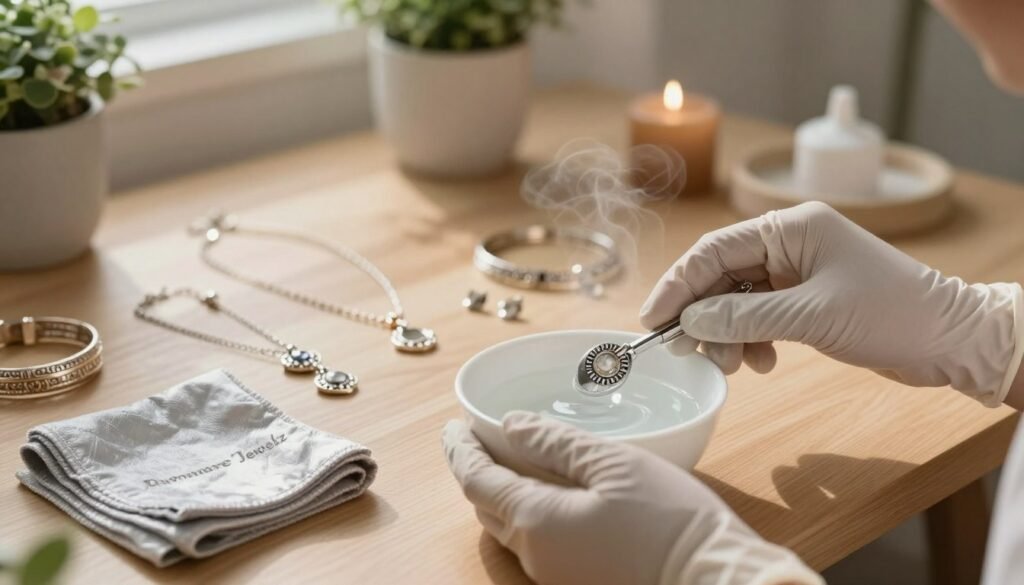
Step 9: Wipe jewellery after every wear
Wiping your jewelry right after wearing is best. It removes dirt and oils from the day. Doing this often helps a lot in keeping it clean.
Step 10: Use a soft, dry microfiber cloth for light residue
Have a good microfiber jewelry cloth ready. It picks up dust and oils without harming your jewelry. Don’t use rough paper towels, as they can scratch.
Step 11: Choose a gentle cleaning method for the specific metal
Each metal needs special care. Using safe jewelry cleaning methods keeps your jewelry in good shape.
Cleaning gold-plated, rhodium-plated, and sterling silver pieces
For plated items, use a soft, damp cloth with a bit of mild soap. Dry it right away to avoid spots. Sterling silver needs a special cloth to shine without damage.
Cleaning jewellery with pearls, gemstones, or glued settings
Pearls and gemstones are very delicate. Don’t soak them in water. Use a soft brush to clean around settings gently.
Cleaning products and home remedies to avoid
It’s easy to try quick fixes online. But, many household items are too harsh for jewelry. The wrong cleaners can ruin your jewelry.
Why toothpaste, baking soda, bleach, and abrasive cloths can cause damage
- Toothpaste: Has abrasive parts that scratch jewelry.
- Baking Soda: Reacts too much and can remove coatings.
- Bleach: Causes metals to change color fast.
- Abrasive Cloths: Make jewelry dull and uneven.
How to Store Jewellery Anti Tarnish and Ready to Wear
Keeping your jewelry safe from India’s humid weather starts with how you store it. Using anti tarnish jewelry storage helps your accessories stay shiny for years. It stops chemical reactions that make them dull.
Step 12: Dry every piece completely before storing it
Make sure each item is completely dry before storing. A little moisture can cause oxidation. Use a soft cloth to remove any hidden water.
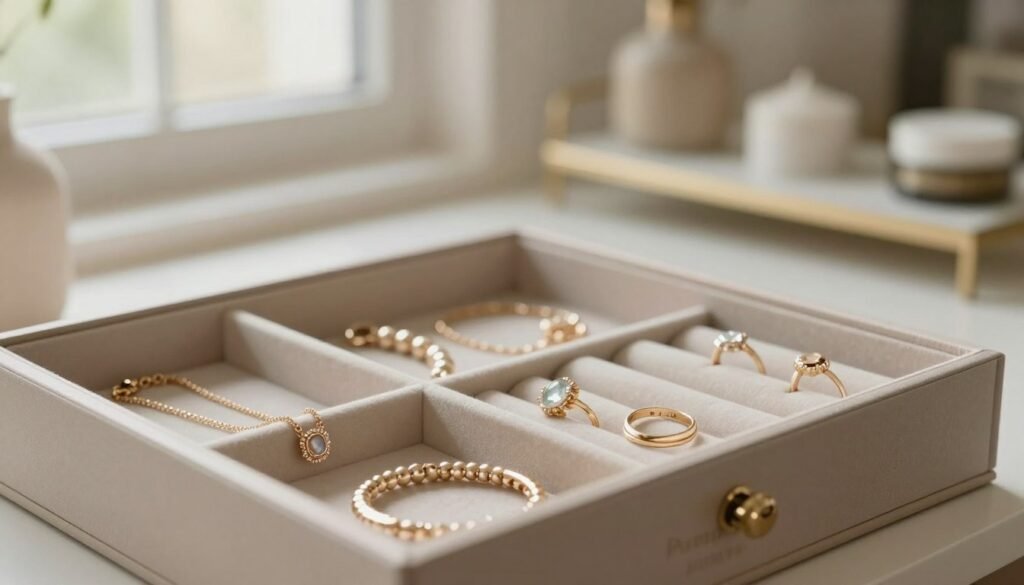
Step 13: Use an anti tarnish jewelry box or lined compartment
Get a good anti tarnish jewelry box for your jewelry. These boxes have special fabric that fights air pollution. They keep your jewelry safe from dust and bad air.
Step 14: Add anti-tarnish strips or sealed storage bags when appropriate
For more protection, use anti-tarnish strips in your containers. They stop gases that darken metal. Or, use plastic bags to keep air out.
Step 15: Keep chains, earrings, rings, and bangles separated
Don’t mix your jewelry together. Different metals and stones can scratch each other. Use dividers or pouches to keep them safe.
How to choose moisture-controlled anti tarnish jewelry storage
Look for moisture-controlled jewelry storage with tight lids. Silica gel packets help pull moisture out. Choose materials that don’t release chemicals, like acid-free velvet or treated wood.
Why bathrooms, kitchens, and open trays are poor storage locations
Bathrooms and kitchens are bad for your jewelry because of steam and chemicals. Open trays look nice but let dust and oxidation in.
“The longevity of your jewelry is directly proportional to the care you take in its storage environment.”
How often to inspect stored jewellery in humid conditions
In humid places, check your jewelry every two weeks. Look for discoloration or moisture. Regular checks prevent big problems.
| Storage Method | Best For | Benefit |
|---|---|---|
| Airtight Bags | Silver & Plated Items | Blocks Oxygen |
| Lined Boxes | Daily Wear Pieces | Prevents Scratches |
| Silica Packets | Humid Climates | Absorbs Moisture |
How to Restore Tarnished Jewellery and Extend Its Life
You can make your tarnished jewelry shine again. First, learn to tell if it’s just dirty or really damaged. This helps keep your jewelry looking great for a long time.
Step 16: Identify light surface tarnish before attempting cleaning
Look at your jewelry under bright light first. If it’s just a little dull, it might be light tarnish.
Light tarnish looks like a thin, dull film. A soft cloth can make it shine again without harsh cleaners.
Step 17: Stop home treatment when plating or stones appear vulnerable
Know when to stop cleaning at home. If you see the metal underneath or stones look dull, stop right away.
Too much scrubbing can hurt your jewelry. It’s best to avoid cleaning if it has delicate settings or stones.
Step 18: Use a professional jeweller for deep tarnish and damaged finishes
For tough tarnish or damaged finishes, see a professional jewelry repair expert. They can fix it without hurting your jewelry.
When polishing can remove plating instead of restoring it
Don’t think that hard polishing fixes everything. It can actually hurt gold-plated or rhodium-plated jewelry.
Once the plating is gone, your jewelry tarnishes faster. Always be gentle to keep it looking good.
When to request replating, repair, or a protective finish
If your jewelry looks dull forever, jewelry replating can help. It makes it shine again and protects it.
Also, ask about an anti-tarnish coating. It helps your jewelry last longer and needs less cleaning.
How to prevent the same tarnish problem from returning
After fixing your jewelry, keep it from getting tarnished again. Store it in a cool, dry place. Avoid moisture and harsh chemicals.
By taking care of your jewelry every day, it stays beautiful. Professional jewelry repair is important, but daily care is key to keeping it shining.
Conclusion
Your jewelry shows off your style and special moments. To keep it looking great, choose the right materials and follow good habits. Buying quality anti tarnish jewelry is a smart start for a lasting collection.
Protecting jewelry from tarnish is easy. Just clean it after wearing and keep it in dry, sealed containers. This simple step keeps your jewelry bright in India’s humid weather.
Looking after your jewelry well saves you from future problems. Small steps each day stop big damage. Take good care of your jewelry now for it to shine at all times.
Do you have a favorite piece that needs extra care? Begin your new care routine tonight. Your jewelry will thank you with its lasting beauty.